
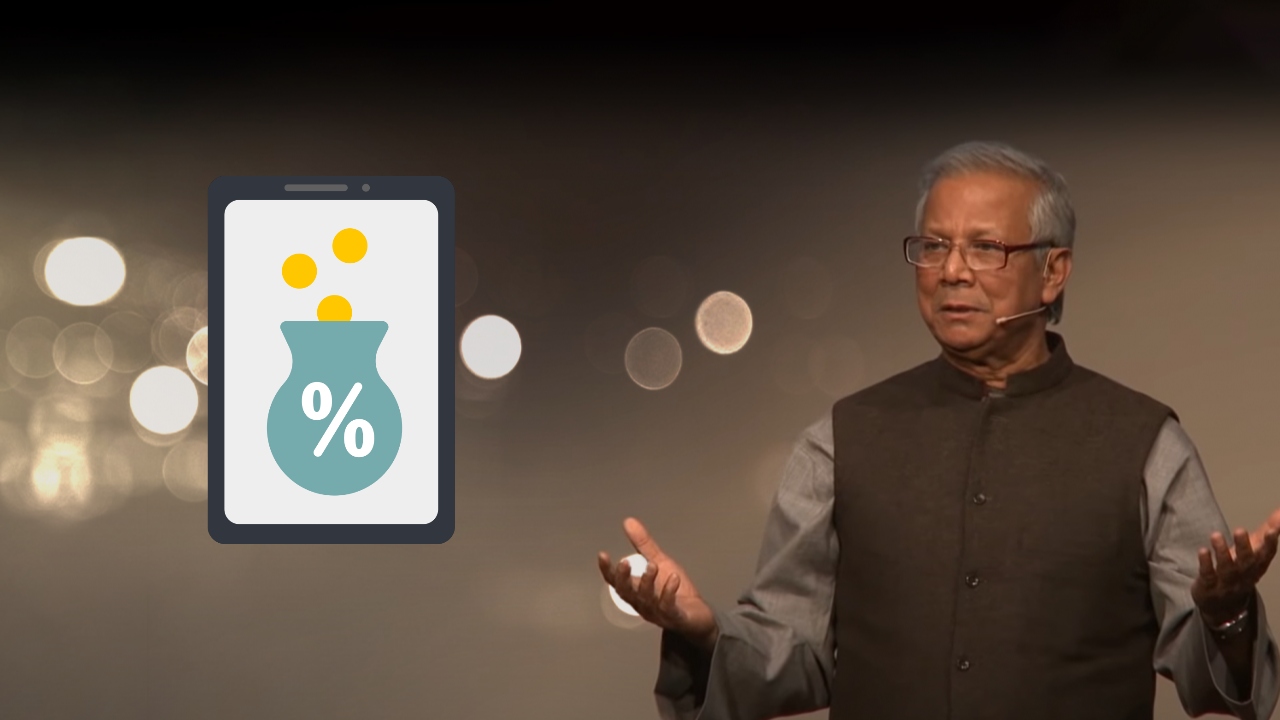
Dr. Mohammad Yunus is a name that resonates with innovation, social change, and the power of economic empowerment. Best known as the "father of microcredit," Dr. Yunus has dedicated his life to improving the lives of the poor through financial inclusion. His groundbreaking work has earned him global recognition, including the Nobel Peace Prize. In this blog, we’ll explore ten fascinating facts about Dr. Mohammad Yunus that highlight his remarkable contributions to society.
Dr. Mohammad Yunus is widely recognized as the pioneer of microcredit, a financial system that provides small loans to impoverished individuals who lack access to traditional banking services. His innovative approach enables people, particularly women, to start small businesses, thereby breaking the cycle of poverty.
In 1983, Dr. Yunus founded Grameen Bank in Bangladesh with the vision of creating a financial institution dedicated to serving the poor. The bank's model focuses on providing collateral-free loans, which have helped millions of people improve their livelihoods. Grameen Bank's success has inspired similar models worldwide.
In 2006, Dr. Yunus and Grameen Bank were jointly awarded the Nobel Peace Prize. The Nobel Committee recognized their efforts to create economic and social development from below. This prestigious award brought global attention to the potential of microcredit as a tool for peace and poverty alleviation.
Dr. Yunus holds a Ph.D. in Economics from Vanderbilt University in the United States. Before embarking on his journey into microfinance, he was a professor of economics at Chittagong University in Bangladesh. His academic background provided the foundation for his later work in social entrepreneurship.
Dr. Yunus has authored several books that have influenced global thought on social business and economic development. His most famous work, "Banker to the Poor", outlines his journey in founding Grameen Bank and his vision for microcredit. Other notable works include "Creating a World Without Poverty" and "Building Social Business".
Beyond microcredit, Dr. Yunus is a strong advocate for social business, a concept he developed to address social issues through non-dividend companies that reinvest profits into the business or other social causes. His vision has led to the creation of numerous social businesses that tackle problems like healthcare, education, and renewable energy.
Dr. Yunus’s work has had a profound impact globally, leading to the establishment of microfinance institutions in more than 100 countries. His model has been adapted in diverse cultural and economic contexts, proving the universality of his approach to financial inclusion.
In addition to the Nobel Peace Prize, Dr. Yunus has received numerous awards and honors throughout his career. These include the Presidential Medal of Freedom and the Congressional Gold Medal from the United States, the Ramon Magsaysay Award, and the World Food Prize, among others.
Despite his achievements, Dr. Yunus has faced challenges and controversies. In 2011, he was removed from his position as managing director of Grameen Bank by the Bangladeshi government, a move that sparked international criticism. Despite this, Dr. Yunus continues to be a vocal advocate for social business and financial inclusion.
Dr. Yunus envisions a world without poverty, where social business plays a central role in solving global challenges. He continues to inspire new generations of social entrepreneurs and activists to think creatively about using business as a force for good.
Dr. Mohammad Yunus’s life and work exemplify the power of innovative thinking and compassionate action. From pioneering microcredit to advocating for social business, his contributions have transformed the lives of millions and continue to inspire efforts toward a more equitable world. These ten facts offer just a glimpse into the legacy of a man whose vision and determination have changed the course of history.