

Bengali literature boasts a vibrant history, captivating readers with stories that range from social commentary to fantastical adventures. But where do you begin? This list is your treasure map, guiding you to ten of the most cherished Bengali novels. We'll delve into classics by literary giants like Rabindranath Tagore and Satyajit Ray, alongside powerful works by Muslim authors.
Prepare to be swept away by tales of love and loss, resilience in the face of hardship, and the fight for identity. Whether you're a seasoned Bengali literature enthusiast or a curious newcomer, these novels promise unforgettable journeys into the heart of Bengali culture. So, grab a cup of chai, settle in, and get ready to discover the magic woven into the fabric of Bengali literature.
Creating a definitive list of the "best" novels is always subjective, but here are 10 Bengali novels that are widely considered classics and have left a lasting impression on readers:
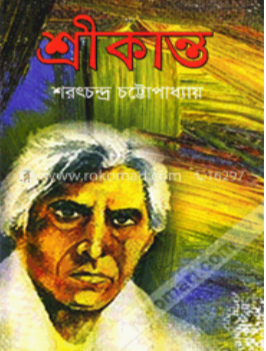
This epic novel chronicles the life of Srikanta, a man who is torn between his desires and his social obligations. Set against the backdrop of early 20th-century Bengal, the novel explores themes of love, loss, and the search for meaning.
Srikanta is a landmark novel in Bengali literature. It is considered to be one of the first modern Bengali novels, and it has had a profound impact on subsequent generations of writers. The novel is also important for its portrayal of women. Srikanta's female characters are strong and complex, and they challenge traditional views of women's roles in society.

This coming-of-age novel explores themes of identity, nationalism, and religious conflict in colonial Bengal. Gora, the protagonist, grapples with his Hindu and British heritage as he searches for his place in the world.
Rabindranath Tagore's Gora (1910), considered his masterpiece, is a rich tapestry woven with social, cultural, religious, and political threads of 19th century Bengal.
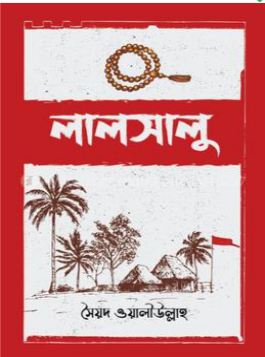
This historical novel is set in the Mughal era and tells the story of Lal Shah, a rebellious fakir who challenges the social and religious orthodoxy of his time.
It is considered one of the classics of Bengali literature and is celebrated for its depiction of rural life, social dynamics, and human emotions.
The story of "Lalshalu" revolves around the protagonist, Kazi Abdul Wadud, who is a zamindar (landlord) in rural Bengal. The novel delves into the intricacies of his life, including his relationships with his family members, tenants, and the larger community. Through the lens of Kazi Abdul Wadud's experiences, the novel explores themes such as power dynamics, societal norms, and the struggle for identity.
"Lalshalu" is renowned for its vivid portrayal of characters and its exploration of the complexities of human nature. It is often praised for its realistic depiction of rural life in Bengal and its nuanced examination of the dynamics between the privileged class and the common people.

This historical novel tells the story of the Santals, an indigenous tribe in India, who rebelled against British rule in the 1850s. The novel is a powerful indictment of colonialism and a celebration of indigenous resistance.
Hajar Churashir Ma (Mother of 1084), a powerful Bengali novel written by Mahasweta Devi in 1974, explores the themes of love, loss, revolution, and the challenges faced by marginalized communities in India. Set against the backdrop of the Naxalite movement in the 1970s, the novel delves into the life of Sujata, a mother grappling with the loss of her son, Brati, who was killed in a police encounter.

The novel was published in 1957 and is considered one of the significant works of Bangladeshi literature.
The story of "Shurjo Dighol Bari" revolves around the life of a Bengali Muslim family living in East Bengal (now Bangladesh) during the tumultuous period of the Partition of British India in 1947. The central character, Nurul Islam, is a prominent figure in the village and owns a large house situated by a river. The novel explores the intricacies of Nurul Islam's family life, his relationships with his wife, children, and other villagers, against the backdrop of the socio-political changes occurring due to Partition.
"Shurjo Dighol Bari" is celebrated for its vivid portrayal of characters and its depiction of the socio-cultural landscape of Bengal during a significant historical period. The novel delves into themes such as identity, community, tradition, and the impact of political upheaval on ordinary people's lives. Abu Ishaque's prose style is praised for its lyrical quality and emotional depth, making the novel a compelling read for those interested in Bengali literature.

"Sangsaptak" (সংসপ্তক) is a renowned Bengali novel written by Shahidullah Kaiser, a prominent Bangladeshi author. Published in 1968, the novel is set against the backdrop of the Bengali Language Movement of 1952, a significant event in the history of Bangladesh that eventually led to the recognition of Bengali as one of the state languages of Pakistan (now Bangladesh).
The title "Sangsaptak" can be translated to mean "The Agitated Septet," with "saptak" referring to a group of seven, which in this context could symbolize the main characters of the novel. The novel depicts the lives of seven university students who are deeply involved in the Language Movement and other political activities during the late 1940s and early 1950s in East Pakistan (now Bangladesh).
Through the experiences of these characters, Shahidullah Kaiser explores themes such as nationalism, identity, cultural pride, and the struggle for linguistic rights. The novel captures the fervor and idealism of the youth involved in the Language Movement, as well as the sacrifices they made for their cause.

This powerful novel tells the story of Kulada, a boatman on the Padma River, and his struggle to survive in a harsh and unforgiving environment. The novel offers a scathing critique of social inequality and exploitation.
"Padma Nadir Majhi," also known as "The Boatman of the River Padma," is a classic Bengali novel written by Manik Bandopadhyay. It was first published in 1936. The novel is set in the backdrop of rural Bengal, specifically in the village of Rupsingh along the banks of the Padma River (a major river in Bangladesh and India).
The story revolves around the life of Kuber, a poor and oppressed boatman who makes a living by transporting goods across the river. Kuber's village faces numerous challenges, including poverty, exploitation by landlords, and the constant threat of erosion by the river. The novel explores the struggles and aspirations of the villagers, particularly Kuber, as they navigate their harsh reality.
The title "Padma Nadir Majhi" symbolizes the central role of the river and the boatman in the narrative, highlighting their significance in the lives of the characters and the broader socio-economic context of rural Bengal.
The novel has been adapted into films and stage productions, and it remains one of the most revered works in Bengali literature, admired for its timeless themes and powerful storytelling.

"Janani," also known as "Mother," is a notable Bengali novel written by Shaukat Osman, a renowned Bangladeshi author. The novel was first published in 1963 and is considered one of the seminal works of Bangladeshi literature.
"Janani" revolves around the life of a woman named Kalyani, who is known as Mother by the people of her village. Kalyani is a strong and resilient character who faces numerous challenges and hardships throughout her life. The novel explores her journey from childhood to old age, depicting her struggles, sacrifices, and triumphs.
Set in rural Bengal, "Janani" delves into various social and cultural issues prevalent in the region. It examines the complexities of family relationships, the role of women in society, and the impact of poverty and oppression on individuals and communities.
Through Kalyani's story, Shaukat Osman offers a poignant commentary on the human condition, resilience, and the enduring power of maternal love. The novel is celebrated for its rich character development, evocative storytelling, and insightful exploration of universal themes.
"Janani" has been widely praised by readers and critics alike for its literary merit and its contribution to Bengali literature. It remains a beloved classic, admired for its timeless relevance and its portrayal of the strength and resilience of women in the face of adversity.

"Karnafully" is a famous Bengali novel written by Alauddin Al-Azad. It was published in 1975. The title "Karnafully" refers to the Karnaphuli River, which is one of the major rivers in Bangladesh and flows through the city of Chittagong.
The novel revolves around the life of the protagonist, Rahmat, who grows up in the backdrop of the Karnaphuli River. It explores various aspects of Rahmat's life, including his childhood experiences, family dynamics, relationships, and his interactions with the natural environment and the river itself.
Through Rahmat's journey, "Karnafully" delves into broader themes such as the interconnectedness of human life with nature, the passage of time, and the complexities of human emotions and relationships. The novel captures the essence of life in rural Bengal, depicting the beauty of the natural landscape, as well as the struggles and aspirations of its inhabitants.
Alauddin Al-Azad's prose style in "Karnafully" is celebrated for its lyrical quality and vivid imagery, which effectively transports readers to the world of the novel. The Karnaphuli River serves as a central motif throughout the narrative, symbolizing both the passage of time and the cyclical nature of life.
"Karnafully" is widely regarded as one of the masterpieces of Bangladeshi literature, admired for its evocative storytelling, rich characterizations, and profound exploration of human existence. It continues to be read and appreciated by readers in Bangladesh and beyond, cementing its place as a classic work of Bengali literature.
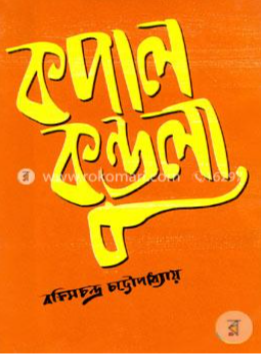
"Kopal Kundala" is a Bengali novel written by Bankim Chandra Chattopadhyay, one of the most prominent figures in Bengali literature. The novel was first published in 1866. It is considered one of the early works of Chattopadhyay and showcases his skill in storytelling and his exploration of social issues prevalent during the time.
"Kopal Kundala" revolves around the life of its titular character, Kopal Kundala, a young woman who lives in a remote village in Bengal. The story explores themes such as social norms, superstitions, and the plight of women in society. Kopal Kundala is depicted as a woman who challenges societal conventions and faces various hardships as a result.
The novel is noted for its portrayal of characters and its depiction of rural Bengal. It reflects the cultural and social milieu of 19th-century Bengal and provides insights into the lives of people living in that era.
Bankim Chandra Chattopadhyay is also famous for his other works, including "Durgeshnandini," "Anandamath," and "Devi Chaudhurani." His contributions to Bengali literature have earned him a significant place in Indian literary history.