
There are many books in Bengali writing that have often gone into controversial areas, starting arguments and questioning social norms. Bengali culture will never be the same because of these controversial works from a wide range of styles and time periods. Bengali literature has always pushed the limits of what is possible in art. It has explored sexuality and gender roles in provocative ways and sharply criticized religious dogma and political beliefs.
At the heart of this literary heritage is a strong desire to talk about taboo topics, question accepted beliefs, and make people think. Writers have bravely written about touchy subjects, diving into the complicated nature of human life and the political and social climate with unwavering honesty. Their stories show how complicated Bengali society really is, often by showing its flaws and unfair circumstances.

Mukta Mon: Satyer Sandhan, Srishti Rohossho, Onuman Etc" is a collection of essays by Aroj Ali Matubber, published in 2019. Aroj Ali Matubber, a renowned Bangladeshi writer and intellectual, is known for his insightful analysis of various socio-political issues and his commitment to promoting secularism, humanism, and rationalism.
In this collection, Matubber explores a wide range of topics, delving into the complexities of contemporary society, politics, and culture. From probing examinations of religious fundamentalism and communalism to reflections on literature, philosophy, and human rights, Matubber's essays offer thought-provoking insights into the challenges facing Bangladesh and the broader global community.

"Paradoxical Sajid" by Arif Azad presents a narrative centered around the conflict between atheists and a devout Muslim character named Sajid. The book portrays Sajid as adept at using logical arguments to counter the atheist perspective, positioning him as intellectually superior in these exchanges. However, some readers have criticized the portrayal of the atheist character as not being sufficiently robust or compelling in their arguments, thus weakening the overall conflict and tension within the narrative.
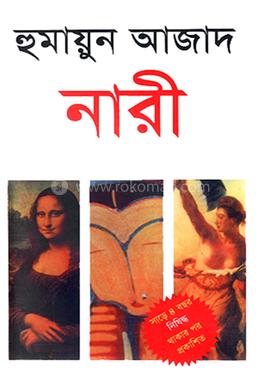
Humayun Azad wrote the 1992 Bangladeshi book Naree, which means "woman" in English. It is an non-fiction book on feminism. The book was banned by the government of Bangladesh on November 19, 1995, because it was thought to be dangerous. But after a court case that Azad won, the ban was lifted five years later, in 2000. The ban wasn't legal, according to the High Court of Bangladesh.

"Agnibina" by Kazi Nazrul Islam, one of the most celebrated poets and literary figures in Bengali literature, is often considered controversial due to its revolutionary themes and bold expressions of dissent against societal norms and injustices.
Here are some reasons why "Agnibina" is perceived as controversial:
Despite the controversy surrounding "Agnibina," the collection remains a seminal work in Bengali literature, showcasing Nazrul's poetic genius and his unwavering commitment to social justice and freedom of expression. It continues to inspire readers and writers alike, challenging them to confront societal injustices and strive for a more equitable and compassionate world.
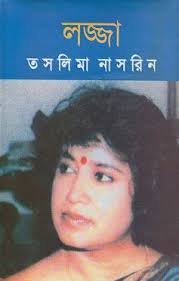
Lajja is a Bengali novel by Bangladeshi author Taslima Nasrin. The rioting, rape, looting, and murders of Bengali Hindus that occurred in December 1992 following the demolishment of the Babri Masjid in India are the subject of this book.
The book was first published in Bengali in 1993 and then outlawed by Bangladesh. In the six months following its release, it nevertheless sold 50,000 copies, but Taslima fled her own Bangladesh after getting death threats from Islamic organizations.