Bangladesh, a country renowned for its rich cultural heritage and stunning landscapes, is also home to an incredible array of wildlife. From the dense mangrove forests of the Sundarbans to the lush hills of the Chittagong Hill Tracts, Bangladesh boasts a diverse range of habitats that support a variety of iconic animals. These creatures not only contribute to the country’s biodiversity but also hold significant cultural and ecological importance. In this blog, we will explore ten of the most iconic animals of Bangladesh, each playing a vital role in maintaining the ecological balance and enhancing the natural beauty of the region. From the majestic Bengal tiger to the elusive clouded leopard, these animals embody the wild spirit of Bangladesh and highlight the urgent need for their conservation to preserve this unique natural heritage for future generations. Join us as we delve into the fascinating world of Bangladesh’s most iconic wildlife.
Bangladesh, a country known for its lush green landscapes and the world's largest delta, the Sundarbans, is home to a rich variety of wildlife. Here are 10 of Bangladesh's most iconic animals:
1. Royal Bengal Tiger
Scientific Name: Panthera tigris tigris
Home: Sundarbans mangrove forest
About: The Royal Bengal Tiger is the national animal of Bangladesh. It lives in the Sundarbans, the largest mangrove forest in the world. These powerful tigers are vital for the ecosystem, and efforts are being made to protect them from poaching and habitat loss.
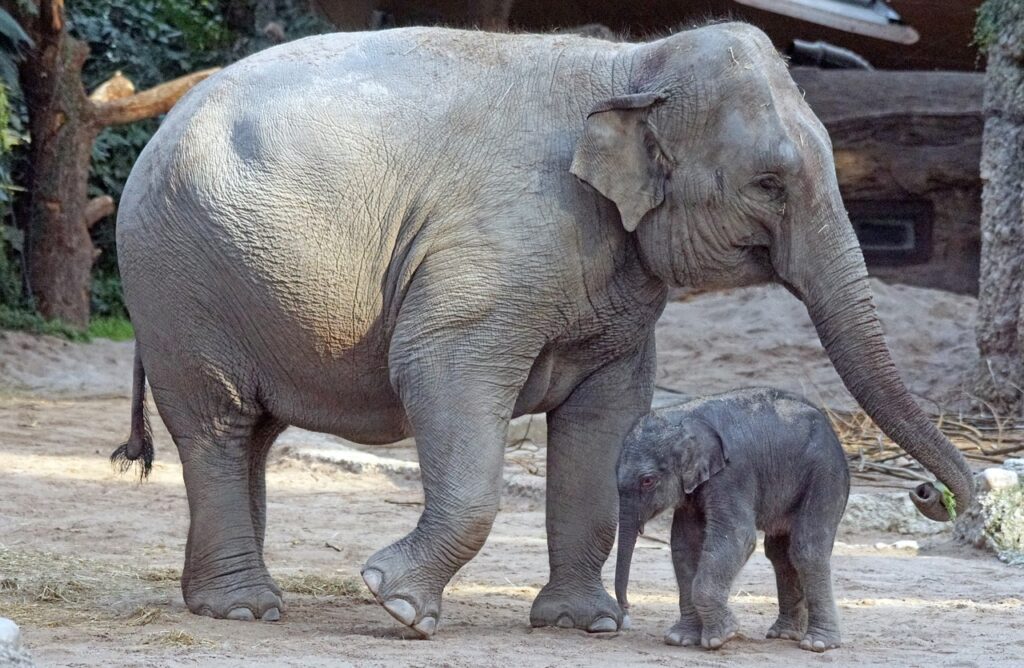
2. Asian Elephant
Scientific Name: Elephas maximus
Home: Hill forests of Chittagong and Sylhet
About: Asian Elephants are very intelligent and live in the forests of Chittagong and Sylhet. They live in close family groups. However, they face threats from habitat destruction and conflicts with humans.
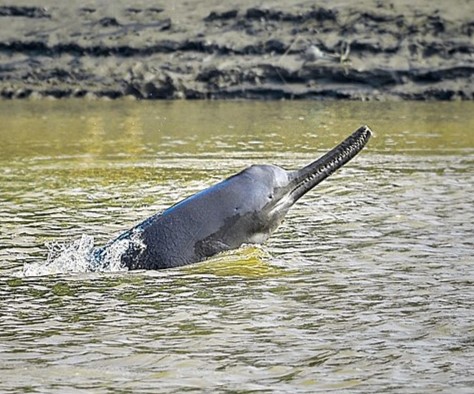
3. Ganges River Dolphin
Scientific Name: Platanista gangetica
Home: Ganges and Brahmaputra rivers
About: Known as the "Susu," these dolphins use echolocation to navigate and hunt. They are endangered due to pollution and habitat changes, so protecting their river homes is essential.
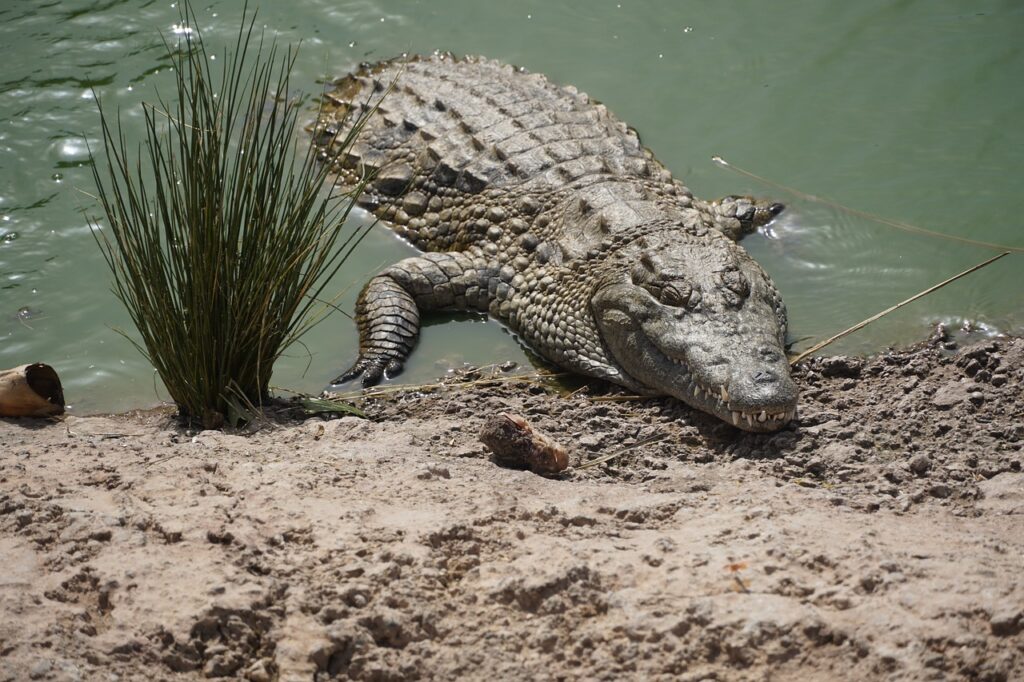
4. Saltwater Crocodile
Scientific Name: Crocodylus porosus
Home: Sundarbans and coastal areas
About: The Saltwater Crocodile is the largest reptile in the world. Found in coastal areas and the Sundarbans, they play a crucial role in their ecosystem. Conservation efforts help reduce conflicts with humans.
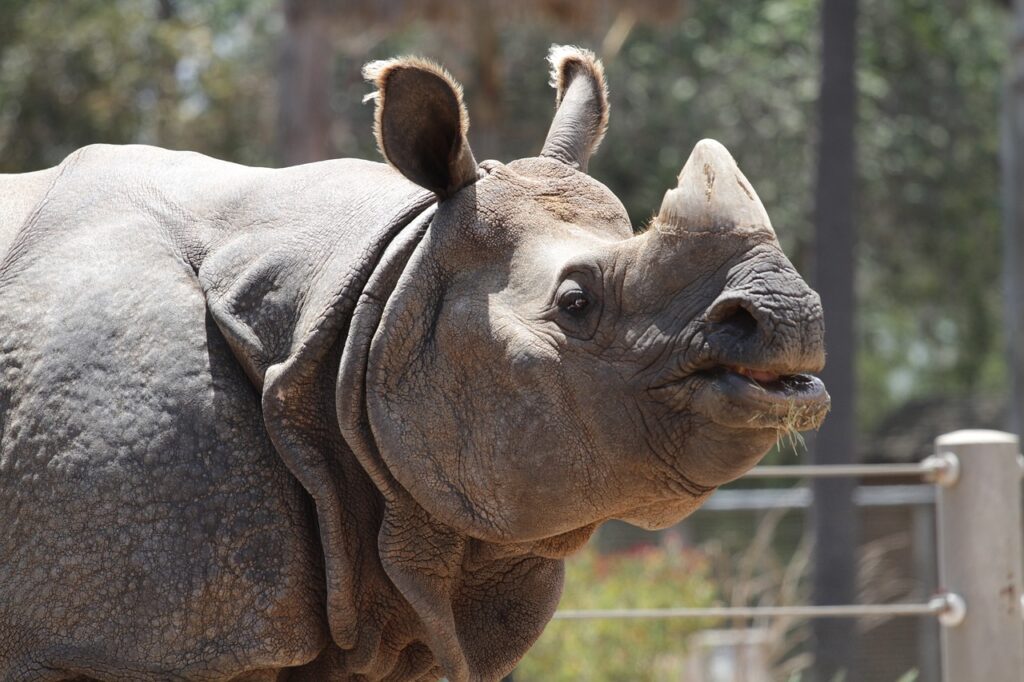
5. Indian Rhinoceros
Scientific Name: Rhinoceros unicornis
Home: Grasslands and wetlands in northwest Bangladesh (now not found in Bangladesh)
About: The Indian Rhinoceros, with its single horn, is a symbol of the grasslands. These rhinos are critically endangered due to poaching and habitat loss. Efforts to protect them focus on restoring their habitats and stopping poachers.
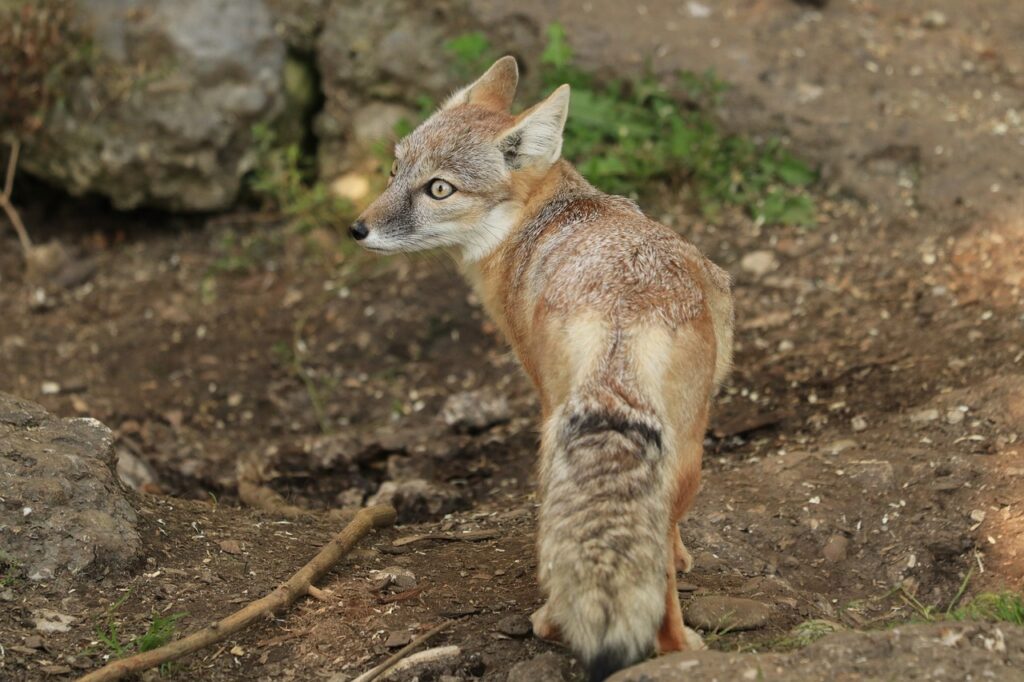
6. Bengal Fox
Scientific Name: Vulpes bengalensis
Home: Grasslands and open forests
About: The Bengal Fox, with its bushy tail, helps control rodent populations. They face threats from habitat destruction and hunting.
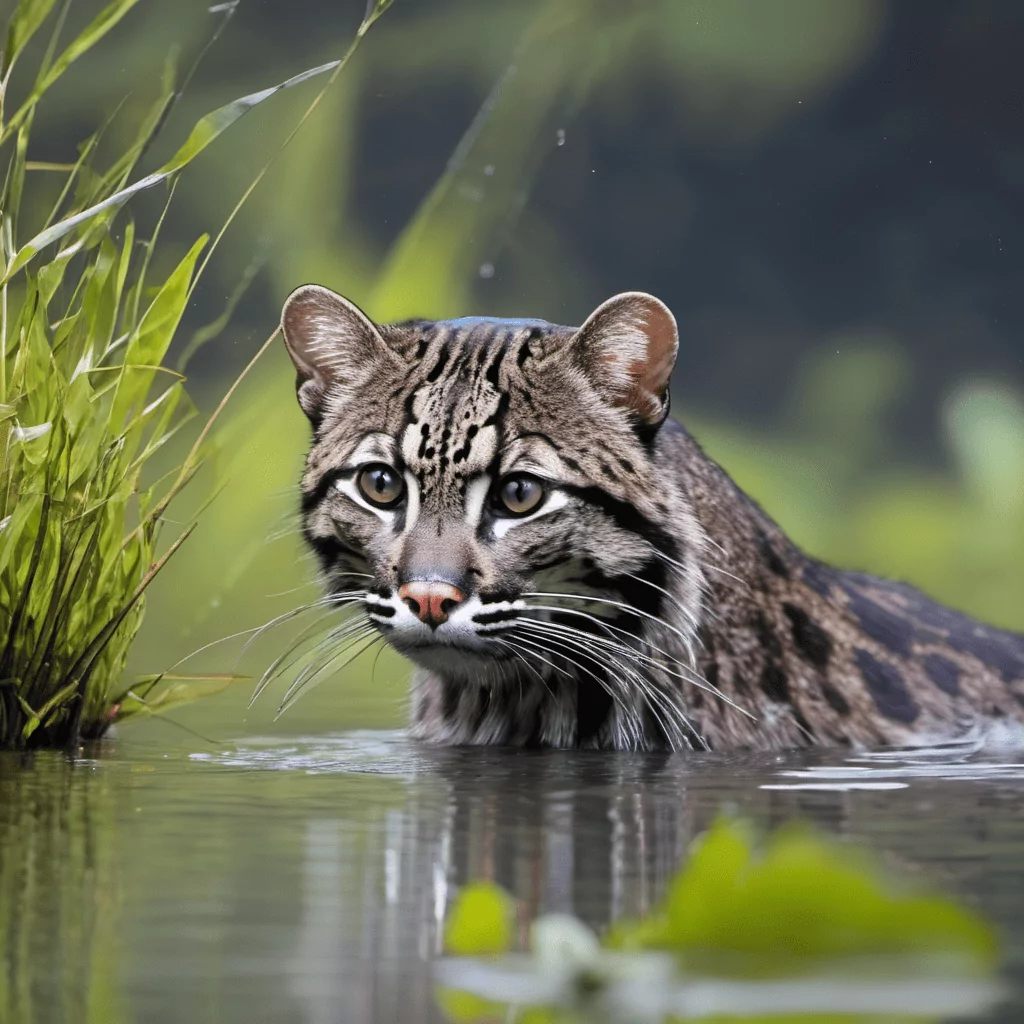
7. Fishing Cat
Scientific Name: Prionailurus viverrinus
Home: Wetlands and mangroves
About: Fishing Cats are great swimmers and hunt fish near water. They are essential for wetland health, but their homes are being destroyed, threatening their survival.
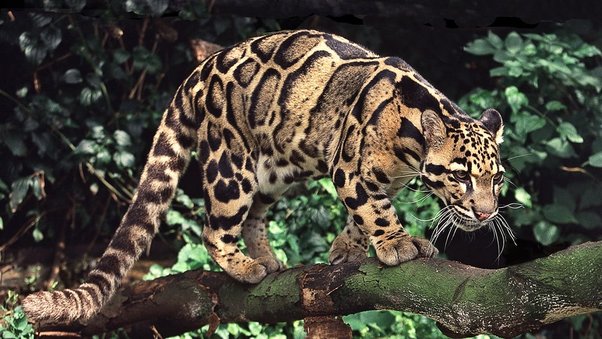
8. Clouded Leopard
Scientific Name: Neofelis nebulosa
Home: Forests of Chittagong Hill Tracts
About: Clouded Leopards have beautiful cloud-like spots and are excellent climbers. They are rare and threatened by deforestation and poaching.
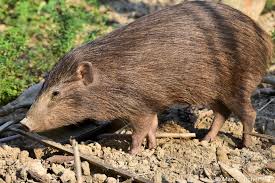
9. Pygmy Hog
Scientific Name: Porcula salvania
Home: Grasslands in northwest Bangladesh
About: The Pygmy Hog is the smallest wild pig and critically endangered. Conservation programs focus on breeding them in captivity and releasing them into the wild.
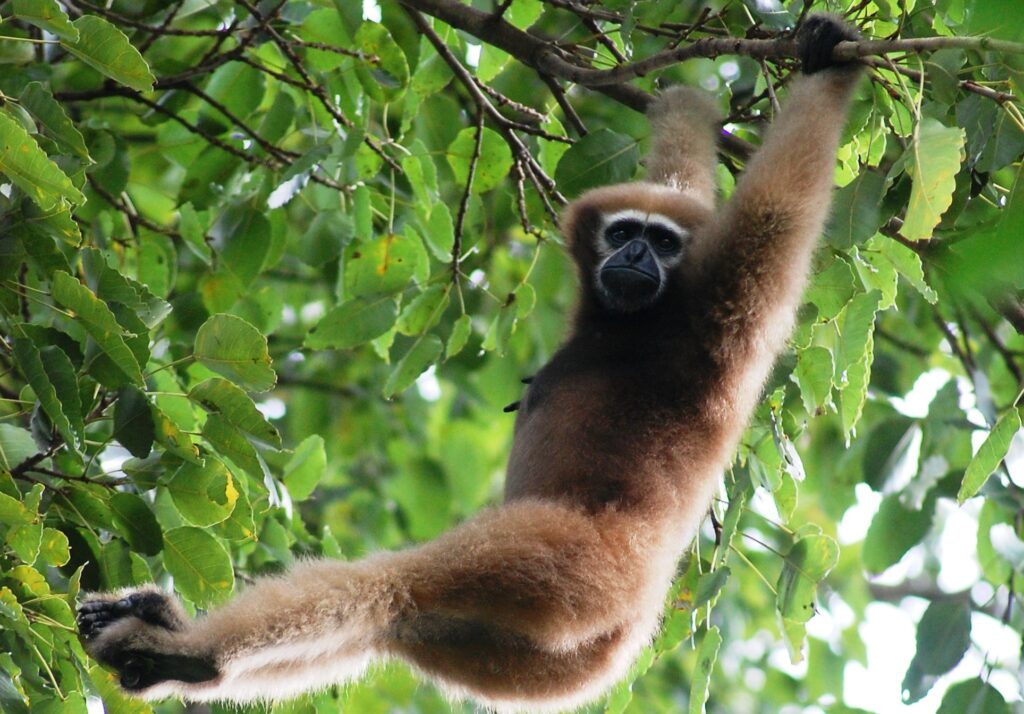
10. Hoolock Gibbon
Scientific Name: Hoolock hoolock
Home: Forests of Sylhet and Chittagong Hill Tracts
About: The Hoolock Gibbon is the only ape in Bangladesh, known for swinging between trees and their loud calls. They are threatened by deforestation and hunting.
Conservation Efforts
Protecting these animals requires the help of the government, organizations, and local communities. Key actions include:
Restoring Habitats: Planting trees and protecting forests.
Stopping Poaching: Enforcing laws and patrolling to prevent illegal hunting.
Involving Communities: Educating locals and providing sustainable ways to make a living.
Researching and Monitoring: Studying these animals to understand their needs and tracking their numbers.
Bangladesh’s wildlife is a treasure that needs our protection. The survival of these animals is important for nature and the people living nearby. By working together and caring for our environment, we can ensure these amazing animals thrive for future generations to see and enjoy.
Let’s celebrate and protect the wonderful wildlife of Bangladesh!