

Generation Z, commonly known as Gen Z, represents the cohort born between the mid-to-late 1990s and the early 2010s. As the first generation to grow up entirely within the digital age, Gen Z has been shaped by rapid technological advancements, significant global events, and shifting social dynamics. Their unique upbringing has not only influenced their worldview but also positioned them as key drivers of cultural, social, and economic change in the 21st century.
A Brief History of Gen Z
Gen Z’s formative years have been marked by the proliferation of the internet, social media, and mobile technology. This generation came of age during a period of significant global change, including the aftermath of the 9/11 attacks, the Great Recession of 2008, and the rise of social movements like Black Lives Matter and #MeToo. These events, coupled with the pervasive influence of digital technology, have created a generation that is both socially aware and technologically savvy.
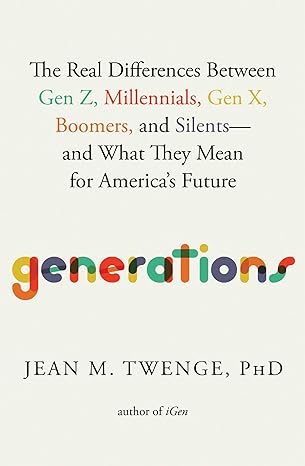
A Book to Understand Gen Z :
Key Characteristics of Gen Z
The Impact of Gen Z on Culture
Gen Z has had a profound impact on global culture, particularly through their use of social media. Platforms like TikTok, Instagram, and YouTube have become the epicenters of youth culture, where trends are born and spread at lightning speed. Gen Z’s preference for short, engaging, and authentic content has influenced how media is produced and consumed, pushing brands and creators to adapt to their tastes.
This generation’s commitment to diversity and inclusivity has also shifted cultural norms. Gen Z has championed greater representation in media, leading to more diverse characters in films, TV shows, and advertisements. They have also challenged traditional gender norms, advocating for non-binary identities and pushing for gender-neutral fashion.
The Economic Influence of Gen Z
As Gen Z enters the workforce, their economic influence is growing. This generation is expected to account for a significant portion of global consumer spending in the coming years. However, their spending habits differ from those of previous generations. Gen Z is more likely to spend money on experiences rather than material goods and values ethical and sustainable products.
Their approach to work is also distinct. Generation Z prioritizes work-life balance and values jobs that offer purpose and personal fulfillment over high salaries. They are less likely to stay in a job long-term if it doesn’t align with their values or provide opportunities for growth. This has forced employers to rethink workplace culture and benefits to attract and retain young talent.
Gen Z and Social Change
One of the most significant impacts of Gen Z has been their role in driving social change. This generation has been at the forefront of movements advocating for climate action, racial equality, gender rights, and mental health awareness. Generation Z’s activism is often rooted in their digital fluency, using social media to organize, amplify voices, and demand accountability from those in power.
The global climate strikes, led by young activists like Greta Thunberg, are a prime example of Gen Z’s influence. These protests have mobilized millions of people worldwide and pressured governments and corporations to take more aggressive action on climate change. Similarly, Gen Z’s support for social justice movements has led to increased awareness and policy changes around issues like police brutality, gender equality, and LGBTQ+ rights.
Challenges Faced by Gen Z
Despite their many strengths, Gen Z faces unique challenges. The constant exposure to social media and digital information can contribute to mental health issues such as anxiety, depression, and loneliness. The pressure to maintain an online persona and the prevalence of cyberbullying are also significant concerns for this generation.
Additionally, Generation Z is entering adulthood during a time of economic uncertainty, with rising costs of living, student debt, and job market volatility. These factors can create stress and anxiety about the future, influencing their career and financial decisions.
Looking Ahead: The Future of Gen Z
As Gen Z continues to grow and assert their influence, they are likely to shape the future in ways that we are only beginning to understand. Their commitment to social justice, sustainability, and innovation will drive changes in how businesses operate, how governments respond to global challenges, and how society evolves.
Gen Z’s impact on the 21st century will likely be defined by their ability to leverage technology for positive change, their insistence on inclusivity and representation, and their determination to create a more just and equitable world. As they take on leadership roles in various sectors, their values and priorities will reshape industries, cultures, and economies, leaving a lasting legacy for generations to come.
Gen Z is more than just the latest generation to enter adulthood; they are a transformative force in the 21st century. Shaped by the digital age and significant global events, they bring a unique perspective to the challenges and opportunities of the modern world. Whether through their cultural influence, economic impact, or social activism, Generation Z is poised to leave an indelible mark on history, shaping the future in ways that reflect their values and aspirations.